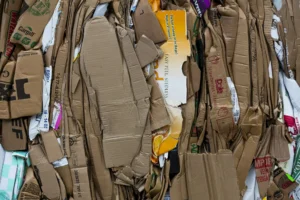
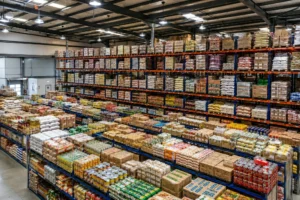
Cardboard recycling is more than just a chore; it’s a high-pressure transformation that turns loose scraps into “mill-sized” industrial building blocks. A standard cardboard bale can weigh anywhere from 800 to 1,300 pounds—roughly the weight of a full-grown grizzly bear—packed into a dense, wire-bound cube. This extreme compression is essential for logistics, as it allows a single semi-trailer to transport over 40,000 pounds of material in one trip, drastically reducing the carbon footprint of the hauling process. Interestingly, the fibers in that cardboard are incredibly resilient and can be recycled up to seven times before they become too short to bond, at which point they are often repurposed into egg cartons or fruit trays. Perhaps the most impressive fact is the sheer efficiency of the turnaround: a recycled cardboard bale can be processed.Beyond the sheer weight and speed of the process, cardboard bales play a fascinating role in global trade “balancing.” Empty shipping containers returning to manufacturing hubs are often filled with these dense bales to act as stable ballast, ensuring ships sit correctly in the water while turning waste into a valuable export. On a structural level, the process is incredibly resource-efficient; recycling just one ton of cardboard—roughly two standard bales—saves over nine cubic yards of landfill space and prevents the harvesting of about 17 trees. Even the “failures” in the baling process have a purpose: if a bale isn’t dense enough or contains too much “contraries” (like plastic film or excess tape), it is rejected at the mill, which has given rise to advanced optical sorting technology that uses infrared light to “see” and remove contaminants in milliseconds. This high-tech precision ensures that the resulting corrugated material maintains the strength needed to protect everything from electronics to heavy machinery during its next journey. manufactured into a new box, and land back on a store shelf in as little as 14 days.