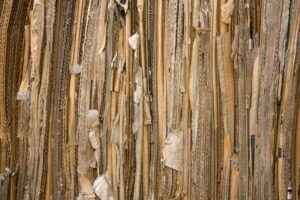
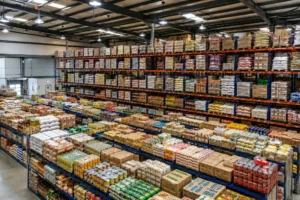
Cardboard isn’t trash. Once it’s baled, it’s a commodity with real value, and for qualifying volumes a recycling brokerage program can return part of that value to your business as a rebate. But not every cardboard bale is worth the same. A few habits in the stockroom make a measurable difference in what your cardboard is worth and how smoothly your pickups run.
1. Keep Cardboard Clean
Recycling mills want clean fiber in every cardboard bale. Food waste, plastic film, foam, strapping, and general trash all reduce the quality of a cardboard bale and can lower its value. The easiest fix is a simple rule for your team: only corrugated cardboard goes in the baler. Keep a separate bin nearby for plastic wrap and packing materials so there’s an obvious place for everything else.
2. Keep It Dry
Wet cardboard weighs more, breaks down faster, and is harder to process. Store finished bales indoors or under cover, off the ground, and away from dock doors where rain blows in. If bales have to sit outside, a pallet and a tarp go a long way.
3. Bale It Full
A full, dense cardboard bale is easier to handle and more efficient to haul than a half-full one. Run your baler through a complete cycle and build bales to the size your equipment is designed for. Greene Recycling picks up bales from 180 lbs up to 1,200 lbs, so whether you run a compact baler in a convenience store or a full-size machine in a distribution center, consistent, well-formed bales make every pickup faster.
4. Break Down Boxes Before They Pile Up
Loose boxes stacked in a corner take up space, create trip hazards, and tend to collect trash. Breaking boxes down as deliveries are put away, and baling at the end of each shift, keeps the stockroom clear and keeps each cardboard bale clean. It also means your team isn’t spending an hour catching up before a pickup.
5. Match Pickup Frequency to Your Volume
If bales stack up between pickups, they take up space and are more likely to get damaged or wet. If the truck arrives to find one small bale, you’re not getting full value from the visit. The right schedule depends on how many bales each location produces. Weekly, bi-weekly, and monthly service are all options, and a good recycling partner will adjust as your volume changes with the seasons.
6. Keep a Simple Bale Log
A quick log of each cardboard bale your location produces, with the date and an approximate weight, tells you a lot. It shows whether your pickup schedule fits your volume, highlights stores that produce more than expected, and gives you real numbers for sustainability reports. Many customers share their logs with us so we can fine-tune routes. A clipboard by the baler is enough; the point is to know how many bales leave each week and to spot changes early.
Why Bale Quality Matters
As a recycling broker, Greene Recycling sells baled cardboard into the recycling market, and for qualifying volumes part of that value may come back to you as a rebate. Clean, dry, full bales are exactly what the market wants, so the habits above help your cardboard hold its value.
There’s an environmental payoff too. Corrugated boxes are among the most widely recycled packaging materials in the United States, according to the EPA. Every quality cardboard bale goes back into the supply chain as new packaging instead of into a landfill.
Need Help With Your Program?
Whether you’re setting up a baler for the first time or managing cardboard across hundreds of stores, we can help you build a program that runs smoothly and stays on schedule. Learn about our services, see the industries we serve, or request a quote. You can also call us at 512-630-5108.