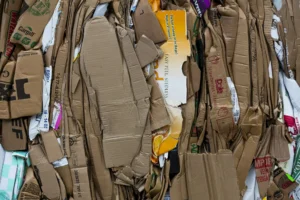
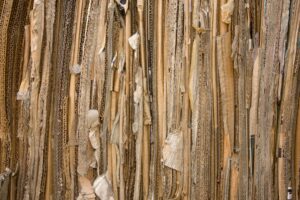
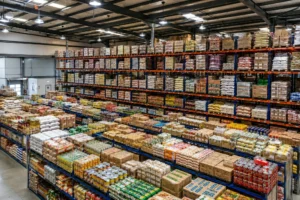
Cardboard recycling hits much closer to home than most people realize, directly influencing your wallet, your local economy, and the environment right outside your door. Because cardboard is incredibly bulky, tossing it into the regular trash causes landfills to overflow at a breakneck pace. Cities are forced to cover these rising waste management costs by increasing local taxes or monthly utility bills, meaning that taking a few seconds to separate your boxes actively helps keep your personal living expenses down. Furthermore, because corrugated cardboard is the absolute king of global shipping, its production costs affect the price of almost everything you buy. Manufacturing cardboard from recycled pulp uses roughly 40% less energy and significantly less water than sourcing virgin timber, and these massive supply chain savings help stabilize the retail prices of your everyday groceries, electronics, and online orders.
Beyond individual finances, the physical act of recycling drives a vital local job market. Collecting, hauling, sorting, and processing thousands of tons of cardboard requires an extensive network of regional workers, creating far more steady employment opportunities than standard landfill dumping ever could. It also quite literally clears the air you breathe. Processing recycled cardboard instead of raw logs slashes manufacturing air pollution by about 60%. It also keeps organic fibers out of landfills where they would otherwise rot and release methane gas, a major contributor to air quality degradation. Reach out today for bale pickup services!